Wiedza

Strona główna/Wiedza/What is bacterial canker?

Damian Kmiecik
What is bacterial canker?
Pobierz aplikację i ciesz się zdrowym pięknym ogrodem

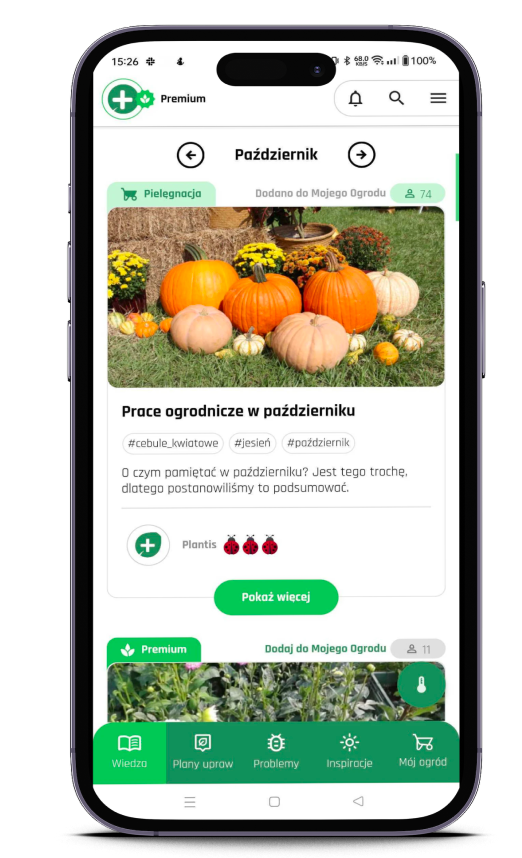
Filmy, podcasty, wiedza
Dostęp do ponad 1800 filmów i publikacji ogrodniczych

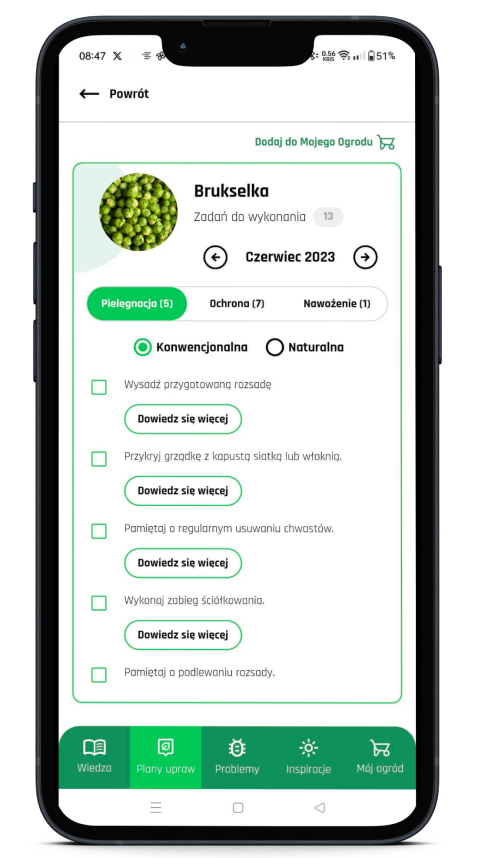
Zadania i powiadomienia
Kalendarz zadań pomagający w planowaniu prac w ogrodzie

Wsparcie fachowców
Pomoc doświadczonych Ekspertów Ogrodowych
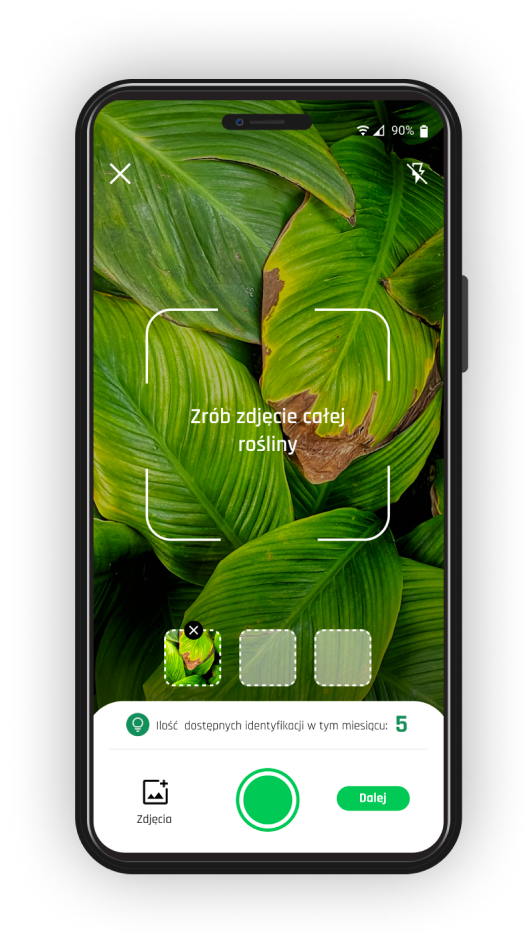

Sztuczna inteligencja
Automatyczne rozpoznawanie roślin i ich chorób

Społeczność ogrodników
Wymiana wiedzy w gronie pasjonatów

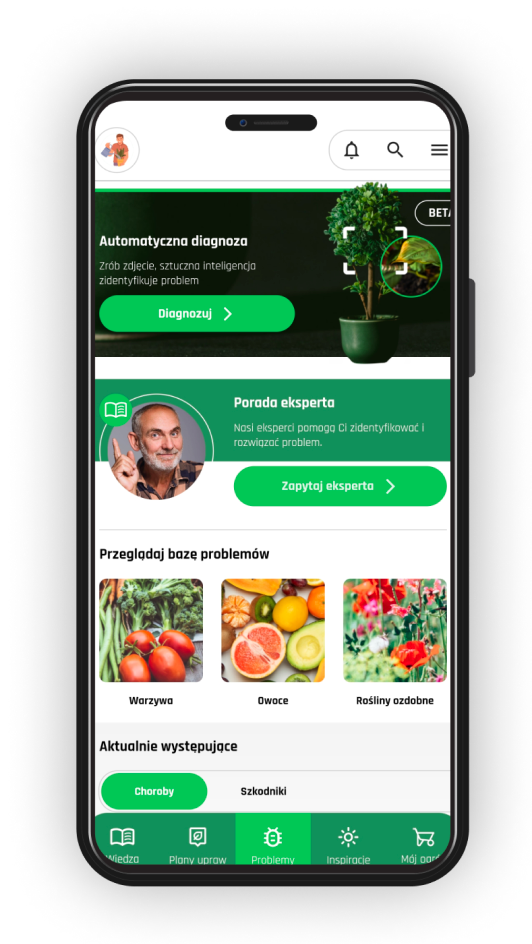
Baza szkodników i chorób
Obszerna baza problemów z podziałem na choroby i szkodniki
Warto wiedzieć
Recognizing Bacterial Canker in Fruit Trees
Bacterial canker is a common and potentially devastating disease that affects a variety of fruit trees. It is primarily caused by the bacteria Pseudomonas syringae, which can lead to severe damage to branches, twigs, and even the trunk of the tree. Recognizing the early signs of bacterial canker is crucial for effective management and control.Symptoms of Bacterial Canker
The initial signs of bacterial canker include small, water-soaked spots on the bark of branches and twigs. As the disease progresses, these spots can enlarge, forming lesions that exude a gummy substance. Infected leaves may develop brown or black spots and may drop prematurely. One of the most telltale signs is the presence of sunken or oozing cankers on the branches, which can girdle and kill the affected parts of the tree.Conditions Favoring Bacterial Canker
Bacterial canker thrives in cool, wet conditions, typically in late winter and early spring. Trees that are stressed due to poor nutrition, drought, or improper pruning are more susceptible to infection. It's essential to maintain good tree health to minimize the risk of bacterial canker.Prevention and Control Strategies
Preventing bacterial canker involves a combination of cultural practices and chemical treatments. Here are some effective strategies: 1. **Pruning**: Remove and destroy infected twigs and branches during dry weather to prevent the spread of bacteria. Ensure your pruning tools are sterilized between cuts. 2. **Copper-Based Sprays**: Applying copper-based fungicides such as miedzian 50 wp can help reduce bacterial populations on tree surfaces. 3. **Proper Nutrition and Watering**: Maintain tree vigor with appropriate fertilization and watering practices. 4. **Avoid Injuries**: Protect trees from mechanical injuries and pest damages that can serve as entry points for bacteria.Using Chemical Solutions
For chemical control, Mospilan 20 SP is often recommended to manage pest infestations that can exacerbate bacterial canker. However, it is crucial to follow the manufacturer's instructions and use it as part of an integrated pest management plan.The Role of Organic Treatments
For those interested in organic solutions, using gnojówka z pokrzyw (nettle slurry) can enhance the health of the tree by providing nutrients and improving its resistance to diseases. Additionally, homemade plant-based concoctions can offer eco-friendly alternatives to chemical treatments.Exploring Szkółka Drzew and Plant Nurseries
Choosing disease-resistant tree varieties from reputable sources, such as a szkółka drzew or szkółka roślin, can significantly reduce the risk of bacterial canker. These nurseries often offer expert advice and high-quality plants that are less likely to succumb to diseases.The Importance of Monitoring and Management
Regular monitoring of fruit trees for signs of bacterial canker is crucial. Early detection allows for prompt intervention, which can prevent severe outbreaks and preserve the health of your orchard.Related Topics and Further Reading
- Understanding the role of beneficial insects in combating pests like opuchlaki. - Learning about the benefits of visiting arboretums such as arboretum wojsławice for inspiration and knowledge. - Effective home remedies for pests, such as domowe sposoby na mszyce. In conclusion, recognizing and managing bacterial canker in fruit trees is essential for ensuring a healthy orchard. By combining cultural, organic, and chemical practices, gardeners can effectively manage this disease and enjoy lush and productive fruit trees. Remember, maintaining tree health through proper care and monitoring is the key to preventing and controlling bacterial canker.Powiązane treści
New features in the app
The application functions as a gardening calendar. Upon entering, you know what to do in your garden. Pruning, sowing, planting, spraying, transplanting, fertilizing, weed removal - you will find comprehensive information and video instructions on all gardening tasks.

Pobierz teraz bezpłatnie